Overview
During this cycle, my focus moved from maintaining stable systems to making learning activities more interactive and observable. Each project below summarizes specific progress, evaluation, and next steps for continued improvement.
Laboratory Video Library Expansion
Previous Goal:
Produce accessible, captioned laboratory videos for CHEM V104 to help students preview procedures and techniques.
Progress:
By Summer 2025, the full V104 series was completed in collaboration with Antonia Flores. Each video includes synchronized captions, clear narration, and a consistent four-part structure (materials, steps, cleanup, safety). The collection is available through Canvas Studio and the department’s YouTube channel and is used in multiple sections. Student feedback showed lower pre-lab confusion and greater consistency in performing techniques.
Next Steps:
Extend the model to CHEM V101 and V20 by recording one new video each week in Spring 2026. With DEAG support, refine caption timing, improve audio quality, and evaluate AI-based transcription for accessibility and workflow efficiency.
CHEM V101 Lab Manual Renewal
Previous Goal:
Standardize format and layout across all V101 experiments.
Progress:
During Summer 2025, all 15 labs were rewritten with unified formatting, concise background sections, numbered procedures, and redesigned data tables. After deployment in Fall 2025, cross-reference and numbering errors were identified and corrected through a department review. Editable files and version archives were shared to support collaboration among instructors.
Next Steps:
Introduce version tracking, automated cross-reference checks, and a peer-review workflow. These steps will ensure accuracy and create a sustainable process for future manual updates.
Student Engagement and Classroom Practice
Context:
Peer evaluations recognized clarity and organization but suggested more visible reasoning and broader participation.
Progress:
Implemented Think-Pair-Share activities, clicker warm-ups, document-camera showcases of student work, and brief live demonstrations.
Increased classroom circulation and extended wait time after questions improved discussion flow while maintaining structure and pacing.
Next Steps:
Add defined engagement checkpoints in each lecture—short pauses for reasoning or prediction—and track participation trends through the semester.
The aim is to strengthen interaction without reducing consistency or clarity.
Professional Service and Departmental Collaboration
Progress:
Contributed to the approved Associate in Science in Chemistry degree proposal (April 2025), served on the Distance Education Advisory Group (DEAG), and coordinated several departmental projects, including the faculty bulletin board and lecture-lab Canvas integration for CHEM V104. Each initiative emphasized accessibility, consistency, and cooperative design.
Next Steps:
Continue involvement in AI and accessibility initiatives through DEAG and consider the DE Faculty Liaison role.
Focus on contributing a STEM-based perspective to campus discussions on AI ethics, digital equity, and instructional design.
Implementation Outlook — Winter 2025 → Spring 2026
Plickers (Interactive Response System)
Develop a question bank during Winter 2025 and integrate Plickers into lecture warm-ups and comprehension checks in Spring 2026 to provide real-time formative feedback without requiring student devices.
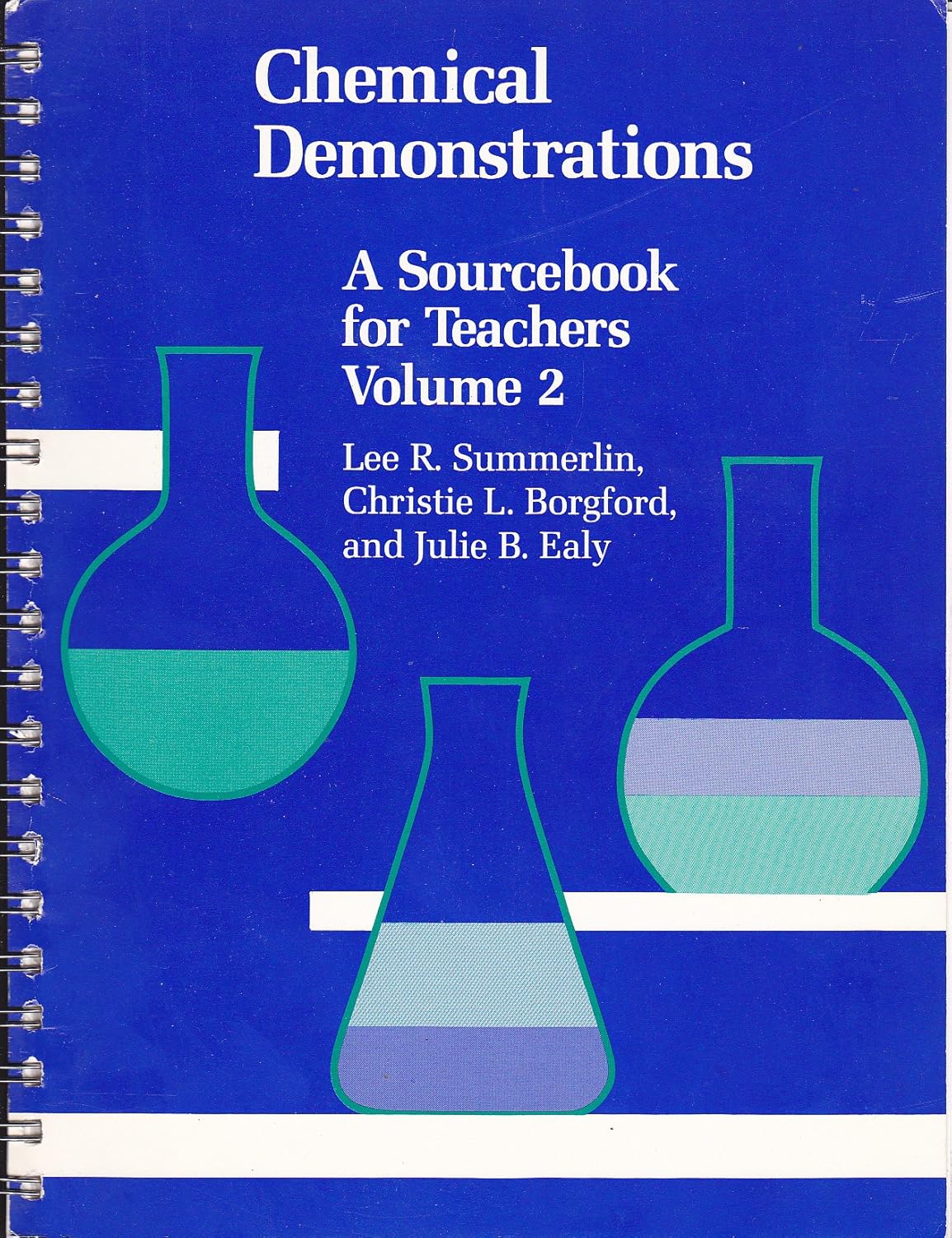
Chemical Demonstrations and Lab Integration
Using resources from Youtube or textbook, identify demonstrations suitable for CHEM V104 and V101. Coordinate with lab staff for materials and safety planning, and pilot selected demonstrations to reinforce key lecture concepts through direct observation.
MathLabs Platform Testing
Explore the MathLabs simulation environment for stoichiometry and kinetics modules. The pilot will connect quantitative reasoning with experimental applications.
PlayLab AI and DEAG Tools
Experiment with PlayLab AI and related tutoring tools to design structured pre-lab prompts, guided error-analysis exercises, and AI-assisted feedback systems consistent with academic-integrity standards. Findings will be shared with DEAG to inform future discussions on responsible AI integration in STEM courses.